SHIP FAST HQ
THE INTERNET
CLOUD ZONE 001
[READER]
YOUR BROWSER
WORLDWIDE DELIVERY
AI found the bugs, but what did it leave behind?
The Business Case Lorikeet’s Flowtriq example reframes a simple ROI question: does adding manual offensive testing still pay off when teams already run AI...
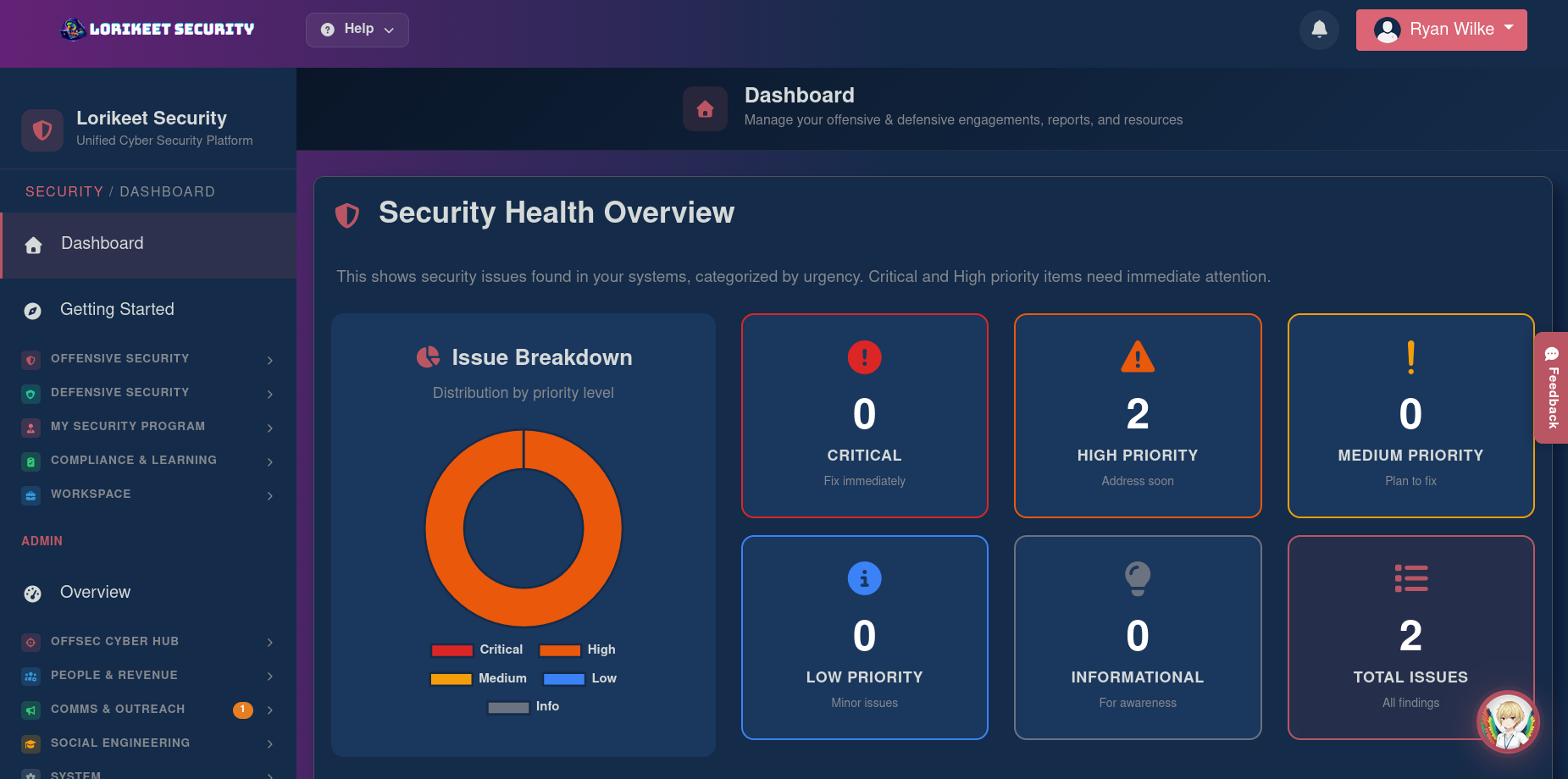
When AI closes code issues, the runtime still leaks: 5 post-AI findings matter
In a recent Flowtriq engagement, manual pentesting uncovered five additional vulnerabilities after a Claude-driven AI audit—two classified High. Lorikeet Security’s case study shows AI-assisted code review is effective at reducing source-level defects (XSS, SQLi, template injection, weak crypto), but leaves runtime, configuration, and infrastructure gaps. Bottom line: AI hardens what it can see; targeted manual offensive testing retains asymmetric value and improves overall security posture.
The Business Case
Lorikeet’s Flowtriq example reframes a simple ROI question: does adding manual offensive testing still pay off when teams already run AI-driven security audits? The data says yes. AI decreases the volume of trivial, source-level findings, which reduces noisy remediation cycles and developer context-switching—improving engineering throughput. However, residual high-impact issues persist in runtime TLS posture, session edge cases, file-system hygiene, and reverse-proxy headers—each capable of producing production outages, regulatory fines, or breach remediation costs.
For senior leaders the calculus is pragmatic: combining AI audits with PTaaS-driven manual pentesting converts marginal security spend into asymmetric risk reduction. The business benefits include fewer high-severity incidents, demonstrable evidence for audits (SOC 2, HIPAA, PCI-DSS, HITRUST, FedRAMP), and faster, more targeted remediation. Lorikeet’s model (PTaaS portal, live findings, real-time chat) shortens the feedback loop between testers and engineering—turning pentest investment into measurable reductions in mean time to remediation and compliance risk.
Key Strategic Benefits
- Operational Efficiency: Manual pentesting focused on runtime/configuration reduces wasted developer cycles by surfacing high-impact, actionable findings with remediation steps. The PTaaS workflow (live findings + chat) accelerates validation and triage.
- Cost Impact: By catching high-severity issues that AI cannot surface, organizations avoid incident response and compliance penalties. Expect lower total cost of ownership for security when manual testing replaces late-stage, high-cost firefighting.
- Scalability: Lorikeet’s mix of point-in-time pentests plus continuous Attack Surface Management supports scale—teams can shift from ad-hoc testing to continuous validation as services and cloud assets grow.
- Risk Factors: Watch for overlap and integration friction between AI tools and manual processes; without clear scoping you risk duplicated effort. Also ensure the pentest scope covers infra-as-code, CI/CD artifacts, and runtime dependencies to avoid blind spots.
Implementation Considerations
Adoption requires a short, structured program: select a high-value application already subjected to an AI-driven code audit and run a 2–4 week manual pentest engagement. Key resources: security engineering lead, one SRE, product owner, and a remediation squad. Integration points: PTaaS portal access, ticketing system (Jira), and CI/CD pipelines for automated verification of fixes. Change management: establish a security champion in each team, define remediation SLAs by severity, and set up weekly syncs during the engagement window. Measurement framework: track delta findings (post-AI), time-to-triage, mean time to remediation (MTTR), and compliance evidence produced. Expect an initial up-front coordination cost, but the streamlined communication and real-time reporting model reduces iterative rework and long-term developer friction.
Competitive Landscape
Lorikeet occupies an intermediate position between crowdsourced bug platforms and legacy consultancies. Compared to HackerOne and Bugcrowd (crowdsourced bounty models), Lorikeet offers repeatable, compliance-oriented pentests without the unpredictability of bounties. Against Synack, which blends vetting and platform orchestration, Lorikeet differentiates on AI-native workflow alignment and PTaaS live collaboration. Large consultancies such as NCC Group and Bishop Fox provide deep expertise and scale; Lorikeet competes by specializing in runtime/configuration gaps exposed post-AI and by offering integrated vCISO/SOC-as-a-Service bundles. For teams that already use Copilot, Claude, Cursor, or similar tools, Lorikeet’s positioning—focused on where AI structurally cannot see—makes it a complementary partner rather than a redundant vendor.
Recommendation
Run a focused pilot: pick one customer-facing service that completed an AI-driven audit and onboard Lorikeet for a 2–4 week PTaaS pentest. Measure: number and severity of post-AI findings, MTTR improvement, and remediation cost per finding. If pilot yields at least one High or Critical post-AI finding and reduces remediation cycles, scale to a quarterly cadence and add continuous Attack Surface Management. This combined approach—AI-first, human-validated—delivers faster shipping cycles and lowers systemic risk. Ship it. Every week. No excuses.
PACKAGE CONTENTS:
Lorikeet Security Case Study